The Biggest Threat to Your Job Isn’t AI—It’s Misalignment & Chaos

Right now, the top question is not “what’s happening?”—it’s “What do I focus on right now to stay relevant?”
Most leaders and engineers can't help but focus on how fast AI is moving. That’s the visible story. The more important one is harder to see: how do you stay relevant when signals are coming faster than most organizations can process them?
AI is accelerating work, increasing interdependence, and quietly raising the cost of misalignment to levels most organizations are not prepared for. The winners won’t simply be those who use AI tools—they’ll be the ones who keep people and systems aligned while building the control layers that make AI reliable. This week, we introduce two indispensable hacks for staying relevant—and positioning yourself ahead of the curve.
Relevance Hack #1: Alignment as a core advantage
This time next year, your coworkers may be silently writing prompts, code or emails via brain reading beanie caps.

What will this mean for the alignment in your organization?
In the Financial Times this week, Sarah O’Connor revisits Tanya Reilly's concept of “glue work” originally introduced a 2019 post.
Think of glue work as the effort required to align teams, translate across functions, reduce friction so you can keep things moving forward.
For years, this work has been undervalued. It’s hard to measure and doesn’t map neatly to output metrics. But AI changes the equation: AI doesn’t just increase productivity—it increases the cost of misalignment.
The cost of misalignment is going up
In the past, organizations could tolerate friction, persistent silos and redundancy. Misalignment could linger without immediately threatening performance. There was enough slack in the system.
That slack is disappearing.
AI is accelerating everything—execution speed, output volume, system interdependence.
So when teams are misaligned, the costs and consequences pile up faster:
- duplication scales quickly
- errors propagate across systems
- rework compounds
- decisions stall
Misalignment is no longer a soft issue. It is a hard constraint on performance. It's also a hard constraint on speed.
Which means the people who can create alignment—who can connect, translate, and move groups forward—are now providing high value service.
Relevance Hack #2: Preventing Chaos by building control harnesses around AI systems
The popular narrative says AI coding tools will eliminate the need for engineers. After reviewing Anthropic's leaked code, Ben Dickson is convinced AI will actually increase the need for engineers - at least those with a specific skillset.
The leaked code reinforced that LLMs are not standalone solutions. They are embedded within complex engineering systems—what you might think of as a “harness” that controls AI behavior includes:
- memory systems
- feature flags
- multi-agent coordination logic
- safety and control mechanisms
In other words: The LLM is not the system. It is just one component within a system.
The challenge is no longer just writing code. Its designing agentic ecosystems that control AI behaviors, use data in accordance with security and data use policies, and stay one step ahead of AI risks.
What this can look like practice:
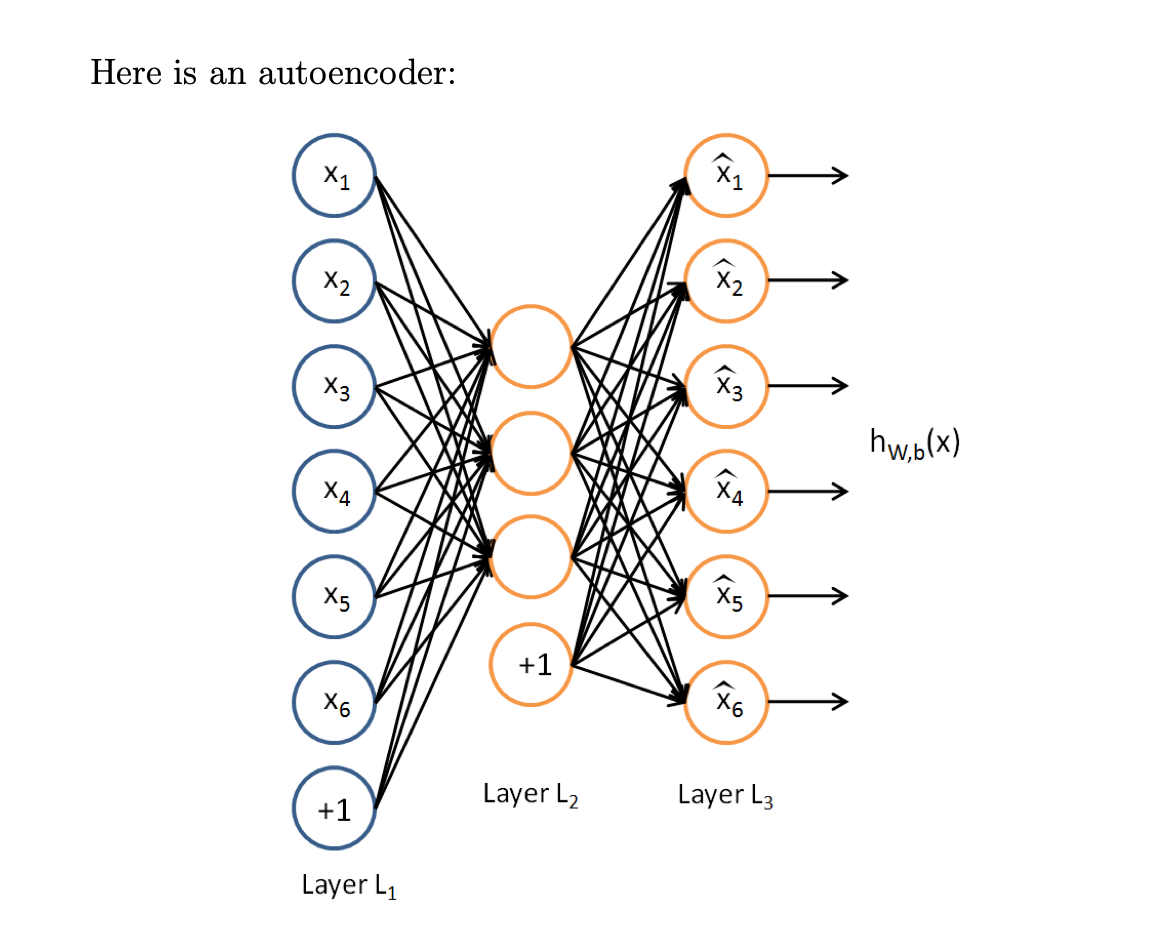
- Monitoring AI model performance and explainability by using (and critiquing) methods like sparse auto encoding:
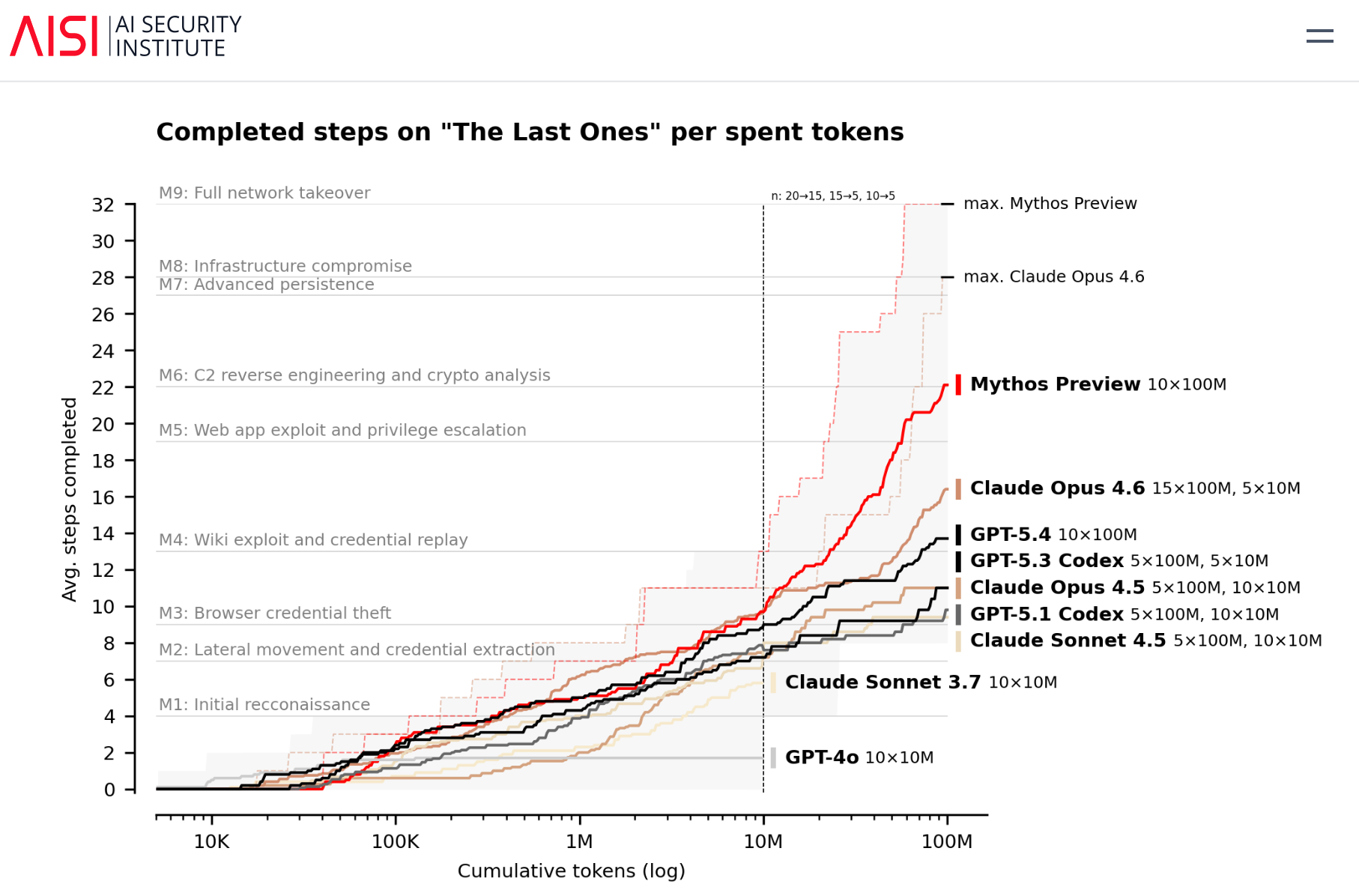
- Rapidly evolving cybersecurity methods and mitigating threats from increasingly intelligent frontier models like Mythos:
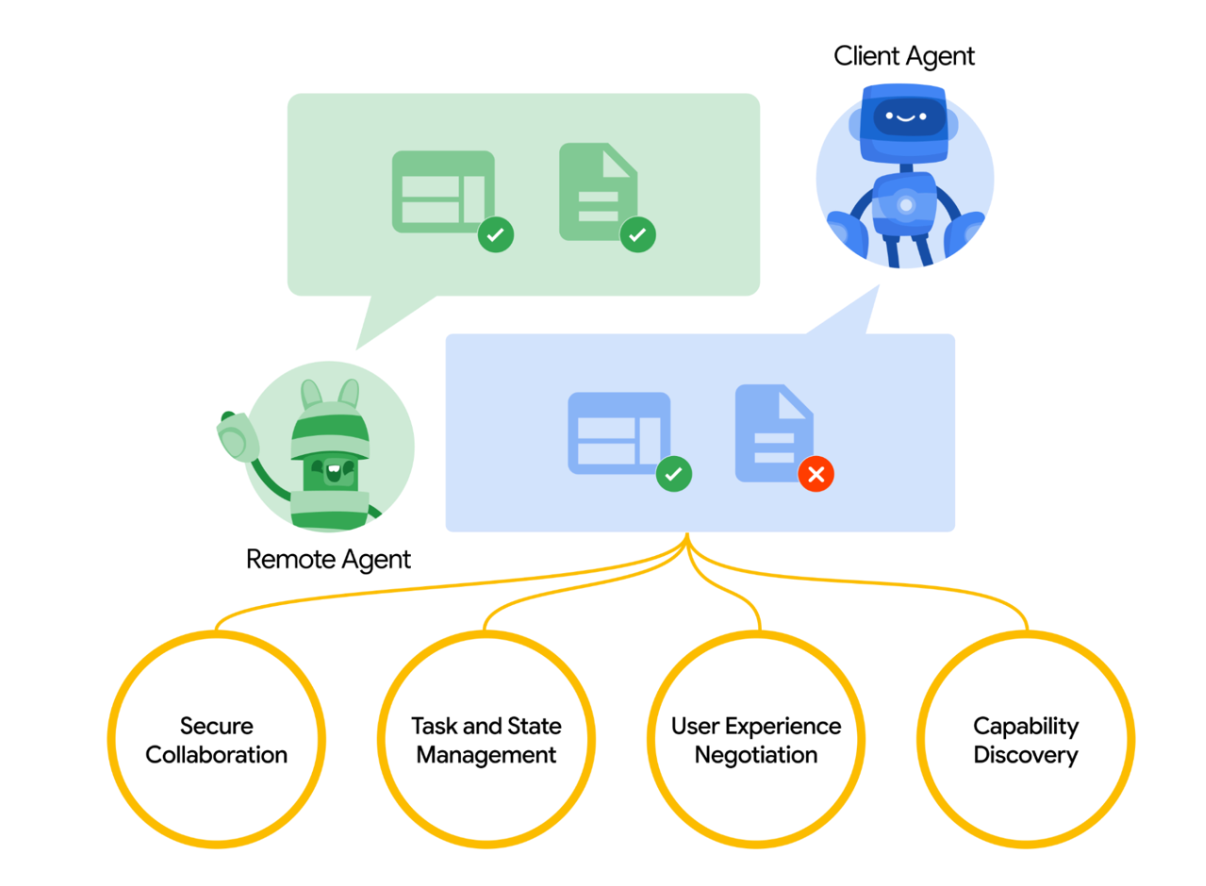
- Designing, building and maintaining Agent to Agent ecosystems (using frameworks like Google's new A2A Protocol) that work reliably and securely:
In other words:
The engineering role is not diminishing. It's changing, for sure. It is taking some new - more challenging - directions, but it's becoming more central. More important, not less.
Implication: Say goodbye to the Business vs IT dichotomy.
The future of work won't be “technical” vs “non-technical.” It is more likely to be:
- Coherence (alignment, coordination, glue work that enhances the value of talent)
- Control systems (engineering harnesses and controls that enhance the value of AI)
Translate this into action
Start paying closer attention to where friction exists around you. These points of friction are not problems to avoid. They are your opportunities to lead. To reduce misalignment and prevent chaos.
At the same time, look at how AI is being used in your organization. Where is it treated as a be-all end-all magic black box, vs. a managed component in a well-engineered ecosystem? Where are the gaps in control, reliability, or coordination?
Fixing these can have outsized impact.
Final thought: who you are becoming
You know that today its not enough to just keep up with change.
You are learning to notice what matters and notice it earlier. Connect signals across domains. Act with conviction before it becomes obvious.
You are becoming someone who brings coherence to complexity. Someone who helps people align when things go in different directions. Someone who understands that powerful tools require equally powerful systems to ensure they deliver value.
This matters more than ever.
Because in a world where AI amplifies everything - good or bad - the ability to create alignment and to design systems that make that AI useful—is what defines real advantage.
You can now see more clearly what is changing. And that means you can help others see it too. Share that perspective. Start the conversation. Help others move forward too.
Opinions expressed are those of the individuals and do not reflect the official positions of companies or organizations those individuals may be affiliated with. Not financial, investment or legal advice, and no offers for securities or investment opportunities are intended. Mentions should not be construed as endorsements. Authors or guests may hold assets discussed or may have interests in companies mentioned.
Member discussion